The Four Seasons
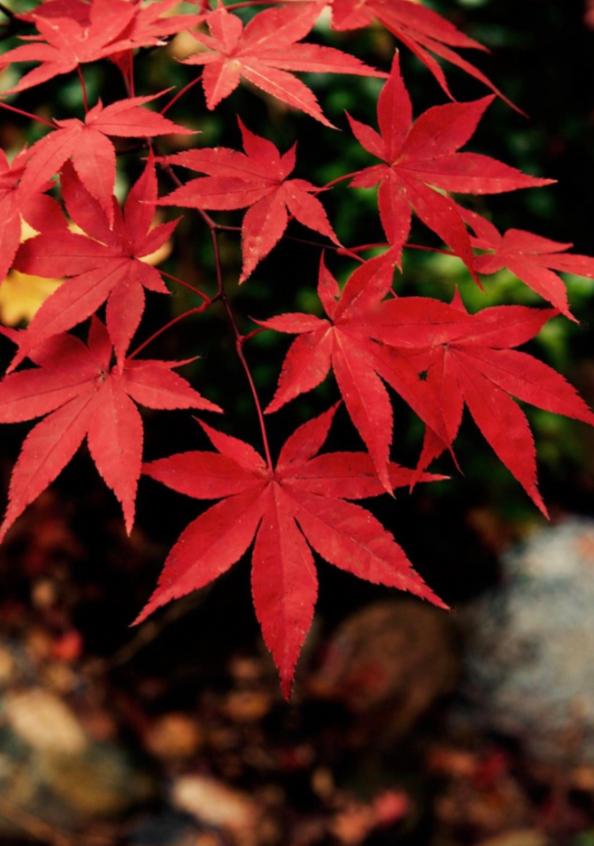
’Tis the Season! Vivaldi, when composing The Four Seasons (Le quattro stagioni), wrote accompanying sonnets that gathered his thoughts about the change of seasons that he composed, over several years it appears. Now these works are described as an early version of “program music,” descriptions that accompany the music to amplify the mood and story. I’ll let all of you investigate these sonnets where the peasants dance to the autumn revelry of the fall harvest with new wine, hunting season, and more. You’ll also want to read what happens in the other 3 seasons and then listen again to his Four Seasons to hear it in “real time.”
In the choral world all of us are still living the four seasons – the fall, winter, spring, and perhaps a summer concert. Each has a different spin and pressure, but I think the most exciting is always the “fall concert,” as the choir is returning with vigorous energy to sing new music with their friends augmented by new members, often with repertoire that has been on the director’s “must-do” list for years.
As a singer/conductor, I have to say that fall is always my favorite. The rush of auditions and beginning rehearsals in September is done, so by October the groups have clear goals and plans. The cooler weather brings an energy for everyone to put on sweaters and study music that lifts spirits and souls as we join with friends for extra rehearsals while also enjoying fall get-togethers, sporting events, and even celebrating Halloween events with the young ones!
It is a joyous time for music-making and I hope everyone can find the spirit in what we do to enhance our human condition in these changing times. Singing for peace, for harmony, for love, honesty and resolution is what we do, and it is now more important than ever. Reaching out to align with friends, neighbors, and strangers in our audience helps us to sing of hope for our future. It is a calling and I know we all will sing forth this fall to share our love of choral music and life, just like Vivaldi did.
Image credit: Stan Engebretson