How to Start a Choir . . . in 1786
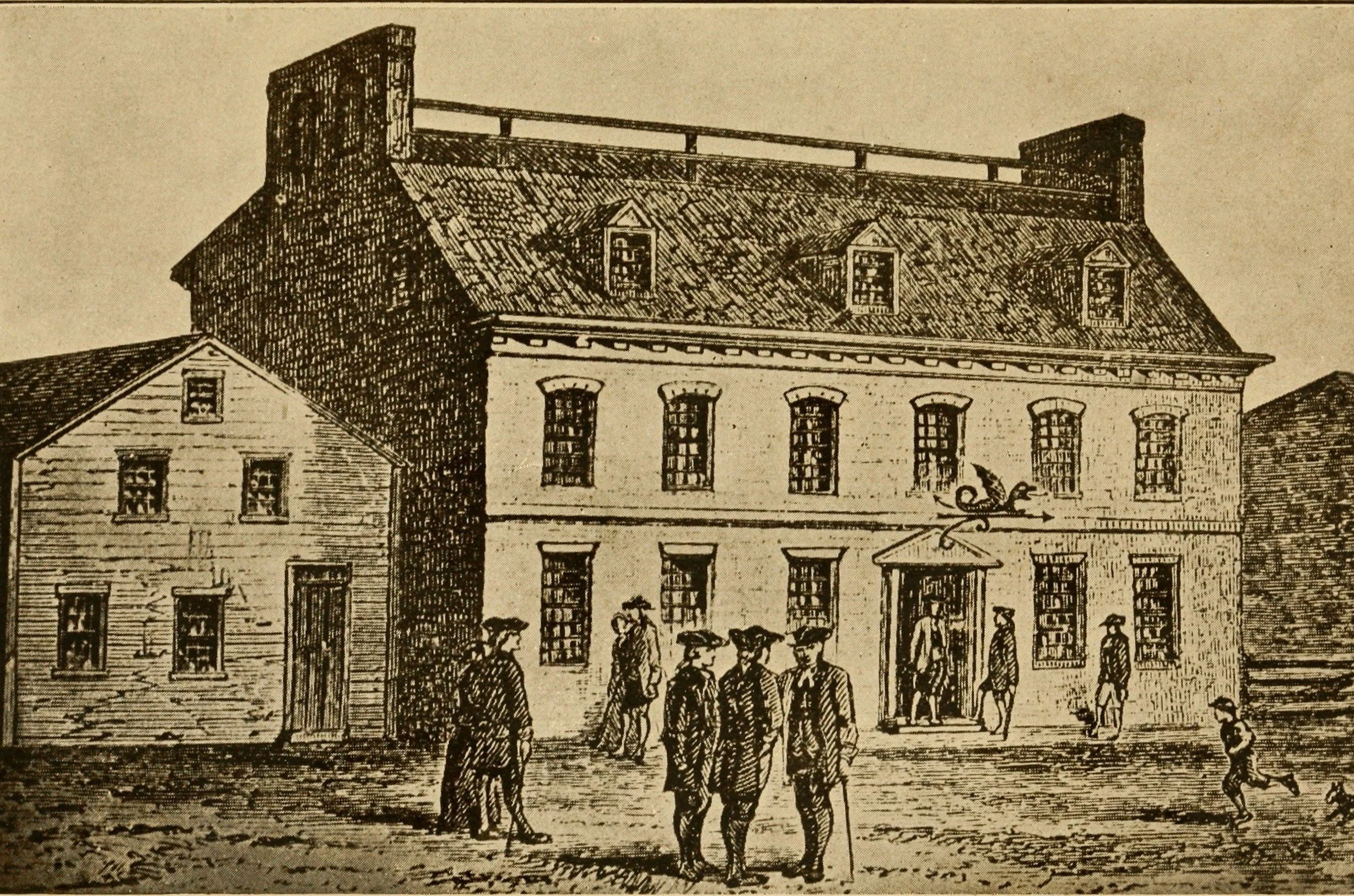
Imagine life in Stoughton, Massachusetts in 1786. Only eleven years earlier, militia from the town had marched to oppose British troops in Lexington and Concord, some 25 miles away. The treaty ending war with Britain was just three years old. The U.S. Constitution would be drafted and signed the next year. The largest nearby city, Boston, had only about 18,000 residents. The fastest way to travel was by horse. Circumstances were very different from now.
For Singers, Similarities
So it may be surprising for singers to find two points of similarity between then and now. First, even in such a distant era, some of the townspeople got together to start a choir. The Old Stoughton Musical Society was founded 239 years ago. It is reported to be the oldest continuously operating choral society in the United States. Initially the members were only men; women were admitted as formal members about 100 years later.
Second, handwritten records from that time show that their choir was organized in a way that would seem quite familiar to a modern choir singer. How many of these features does your chorus have?
Mission Statement. The Society was intended to serve “the good of the community at large, and the members in particular.” They viewed singing as “a divine institution.” They affirmed that “the powers of harmonious music are most admirably calculated to humanize the ferocious passions, to increase the various emotions of the mind, the different degrees of sensibility and all the feelings of the heart.” Singing together would achieve “the exciting and cementing brotherly love.”
President. The president may have had other functions, but he was assigned to “keep the beat.” This was an improvement on the common practice in which the whole choir would keep time, using their hands, arms or books.
Vice President. He stood in if the president was absent.
Secretary. The secretary kept attendance records and was the official custodian of the Society’s rules.
Treasurer. Two Treasurers collected money from the members, paid for expenditures, and gave periodic accounting statements.
Dues. Each member of the chorus paid two shillings. This was about the average daily wage for an agricultural worker of the day, or the price of three pounds of butter. The choir did not have the expense of renting rehearsal space, since they met in the home of one of their members.
Other costs. Members paid for their music and whatever alcoholic beverages they drank at meetings.
Admitting new members. “There shall be a Committee chosen who shall examine all Persons who shall wish to join the Society, and no one shall be admitted without their approbation.”
Attendance requirements. Any member who missed two consecutive meetings should offer an apology, pay a fine, or do whatever else was required to get back in the good graces of the Society. If he did not, he would “be considered destitute of that politeness which is the true mark and characteristic of the Gentleman” and might face other penalties..